
Culture Outlasts Authority
The Greeks Knew: Influence Isn’t Always Loud

In ancient Greece, formal power lived in titles, generals, senators, kings. But the real influence often came from philosophers, poets, and storytellers.
Socrates held no official office.
Plato wasn’t a general.
Yet their ideas shaped entire civilizations.
Why?
Because culture outlasts authority.
Greek artists and thinkers learned to operate adjacent to power. They didn’t fight the system head-on, they shaped it through narrative, myth, and dialogue. They understood that ideas move slower than armies, but they last longer.
Lesson #1:
You don’t need the highest title to shape the culture of a room.
In corporate spaces, artists can do the same:
Ask the better question.
Reframe the problem.
Offer the unexpected reference.
Change the emotional temperature.
Power doesn’t always sit at the head of the table.
Sometimes it whispers from the side.
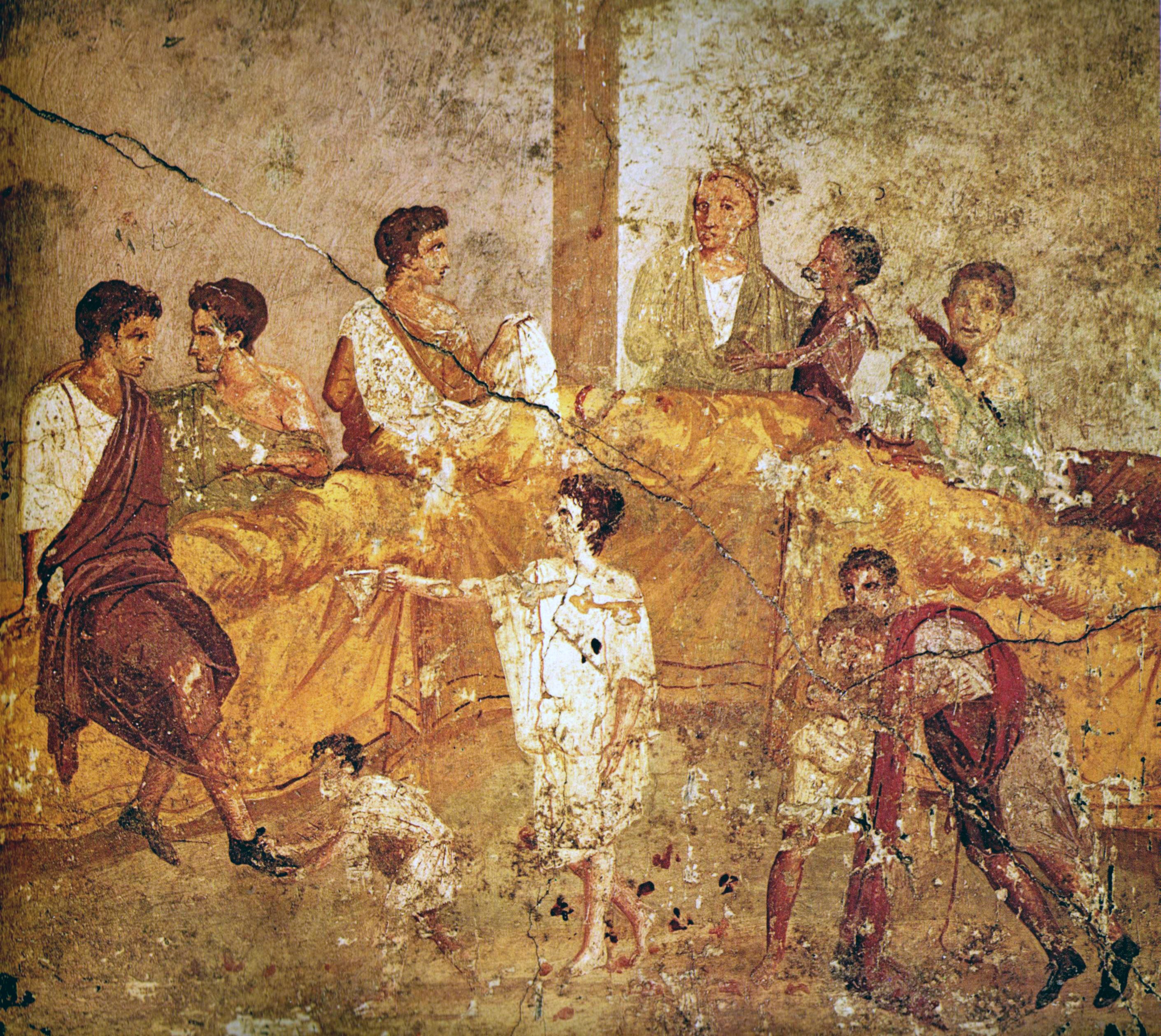
The Romans Understood Branding Before Branding Existed
Romans were masters of optics.
Statues. Coins. Architecture.
Everything was propaganda.
They understood that image creates reality.
Artists were commissioned not because of rank, but because of taste. The sculptor who knew how to make a leader look heroic held enormous influence. Their “credit” might be small, but their impact was massive.
Lesson #2:
Your aesthetic choices shape how power is perceived.
In modern workplaces:
The person who chooses the music.
The one who edits the deck or the video.
The one who controls tone, pacing, rhythm.
That’s power.
Not loud power.
Cultural power.
Artists shape how things are felt, not just what gets said.
Corporate Systems Confuse Position With Value
Here’s the trap:
Corporations assume:
Title = Talent
Credit = Contribution
Artists know:
Taste = Impact
A filmmaker can transform a project without ever being the “lead.”
An editor can save a story no one else saw.
A creative can sense when something feels wrong, long before data confirms it.
Intuition?
That’s trained perception.
That’s invisible labor.
And invisible labor is often exploited.
So what do we do?
Survival Strategies for Artists in Corporate Spaces
1. Speak Their Language Without Losing Yours
Learn corporate vocabulary, but don’t become it.
Translate your intuition into outcomes:
“This cut feels better” → “This version holds attention longer.”
“The tone is off” → “This doesn’t align with brand trust.”
You’re not selling your soul.
You’re subtitling your instincts.
2. Build Quiet Authority
Don’t chase titles.
Chase trust.
When people start asking:
“What do you think?”
That’s real power.
3. Document Your Invisible Work
Corporations respect paper.
So give them paper.
Keep track of:
Ideas you introduced.
Problems you solved.
Shifts you influenced.
Not to inflate your ego,
but to protect your labor.
4. Protect Your Taste Like a Muscle
Taste dulls when you compromise too much.
Keep feeding it:
Watch strange films.
Read outside your industry.
Stay curious.
Stay weird.
Your difference is your currency.
What the Ancients Knew That We Forget
The Greeks taught us:
Ideas outlive institutions.
The Romans taught us:
Aesthetics shape reality.
Modern corporations forget both.
They worship metrics.
They fear intuition.
They undervalue feeling.
But feeling is what moves people.
And artists are emotional engineers.
You may never have the biggest title in the room.
But if you shape:
The mood
The story
The emotional truth
You are already powerful.
Taste is not soft.
Taste is not accidental.
Taste is trained instinct.
And in a world obsessed with credentials,
taste is the quiet rebellion.