
Biohacking Creativity
How DNA Repair Expands the Creative Mind

Creatives thrive on inspiration, innovation, and the ability to perceive the world in unique ways. But what if the key to unlocking even greater creative potential lies not just in practice and experience, but deep within our biology at the very essence of what we are made of? Recent research suggests that DNA repair, the body’s natural mechanism for fixing damaged genetic material, plays a crucial role in cognitive function, memory, and mental clarity. By supporting DNA repair, artists may enhance their cognitive senses, leading to bigger ideas, deeper perception, new perspectives and an expanded mind. This is not just for artists, enhancing cognitive senses will take anyone's journey to a whole new level.
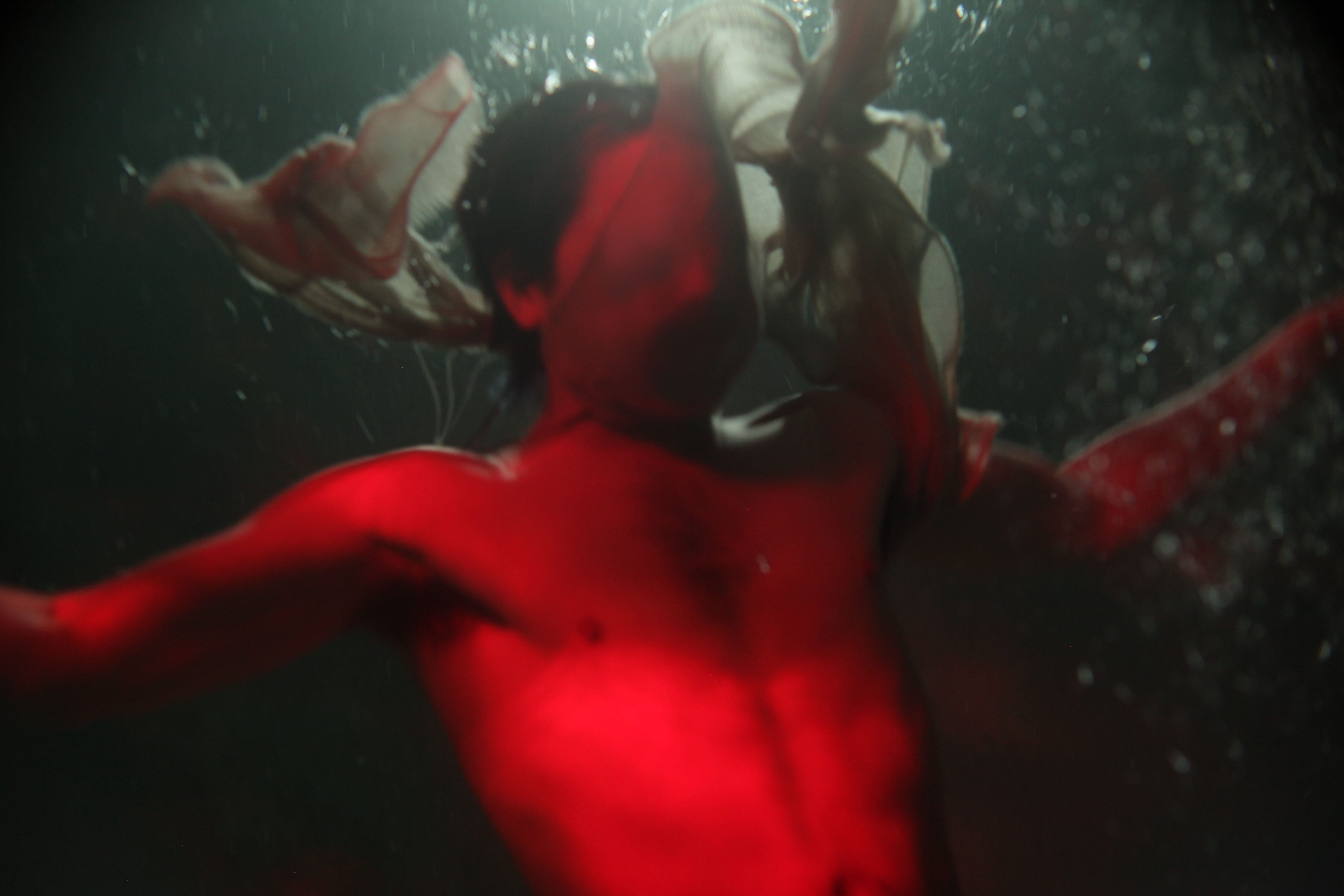
(Screenshot from FLD Directed by Caesar Osiris)
How can DNA naturally repair itself?
Every day, our DNA undergoes stress from environmental toxins, processed foods, alcohol, smoking, and even chronic stress. These factors can cause oxidative damage, leading to genetic mutations, cognitive fog, and reduced neural efficiency. However, the body is equipped with powerful repair mechanisms such as:
Base Excision Repair (BER): Repairs oxidative damages that impact neural communication. [1]
Nucleotide Excision Repair (NER): Removes bulky DNA lesions, such as those caused by UV radiation or chemical adducts. [2]
Mismatch Repair (MMR): Ensures proper genetic replication, repairs mismatched base pairs and small insertions or deletions that arise during DNA replication. [3]
Double-Strand Break (DSB) Repair: Refers to repair of DSB lesions. The broken ends are directly joined together, often with some loss of DNA sequence. [4]
When DNA repair functions efficiently, neurons maintain their plasticity and optimal performance, allowing the brain to process information more fluidly. For an artist, this translates into sharper creative thinking, a heightened ability to connect abstract ideas, and deeper emotional resonance in their work.
How DNA Repair Expands Cognitive Senses?
1. Enhanced Perception and Sensory Awareness
Creatives rely on their senses to interpret the world, color, texture, visuals, ideas, sound, movement, and emotions all feed into creative expression. Studies suggest that when DNA repair is functioning well, sensory neurons are more responsive, leading to heightened awareness.
2. Improved Memory and Idea Retention
Creativity often comes from drawing connections between past experiences and present inspiration. However, memory decline or cognitive fog can interfere with this process. Supporting DNA repair helps preserve neuronal pathways, leading to better recall of dreams, past artistic influences, and the emotional depth needed to create profound art.
3. Greater Mental Stamina and Focus
Many artists struggle with mental fatigue, especially during long hours of creative work. Damaged DNA contributes to brain fog, decision fatigue, and decreased motivation. By enhancing DNA repair, artists can experience longer periods of deep focus, greater endurance, and the mental clarity to push creative boundaries.
4. Expanded Imagination and Abstract Thinking
The ability to think abstractly is essential for groundbreaking art. Sometimes even thinking with movement, in my case. A healthy brain and body, supported by efficient DNA repair, is more capable of divergent thinking, the process of generating multiple ideas from a single concept. This means an artist may explore more layers of meaning in their work, take bolder risks, and create art that challenges conventional narratives.
How to Support DNA Repair for Cognitive Expansion
To harness the power of DNA repair and unlock greater cognitive senses, artists can integrate the following habits into their lifestyle:
1. Eat DNA-Healing Foods
Antioxidant-rich fruits & vegetables (blueberries, spinach, kale) neutralize oxidative stress.
Omega-3 fatty acids (salmon, flaxseeds, walnuts) support brain cell regeneration.
Dark chocolate & green tea contain polyphenols that aid DNA repair.
2. Reduce DNA-Damaging Toxins
Limit or eradicate exposure to alcohol, smoking, and processed foods, all of which accelerate genetic damage.
Use air purifiers and filtered water to reduce the environmental pollutants on your skin and lungs.
3. Optimize Sleep for Cellular Repair
Sleep is when the body performs its most intensive DNA repair. 7-9 hours of quality sleep is essential for creative recovery.
Avoid blue light exposure before bed to improve melatonin production, which aids DNA restoration.
4. Engage in Movement, Breathwork and Meditation
Exercise increases blood flow to the brain, delivering oxygen and nutrients that enhance DNA repair.
Mindfulness meditation reduces stress, which is a major source of DNA damage.
5. Stimulate Neuroplasticity with New Experiences
Travel, learn a new art form, or engage in deep conversations, novel experiences stimulate brain cell growth and activate DNA repair genes.
A New Renaissance for Humanity
Art is often considered a product of the soul and the mind, but science now shows that its foundation lies in the biological health. By prioritizing DNA repair, artists can enhance their cognitive senses, unlock deeper creative reservoirs, and elevate their artistic expression to new heights. Just imagine the new ideas you can reach and the outer experiences you will be able to create for yourself simply by cultivating, like a garden, the very thing that began your journey on this planet. That sacred code, often seen as our deepest connection to the divine or the very essence of the universe: DNA. The fusion of science and creativity could lead to a new artistic renaissance in humanity, one where the expansion of the mind is not just conceptual but also deeply rooted in human biology.
By nurturing the genetic blueprint of creativity, we open the door to infinite artistic possibilities. The body, when truly cared for, becomes the ultimate canvas for innovation.
